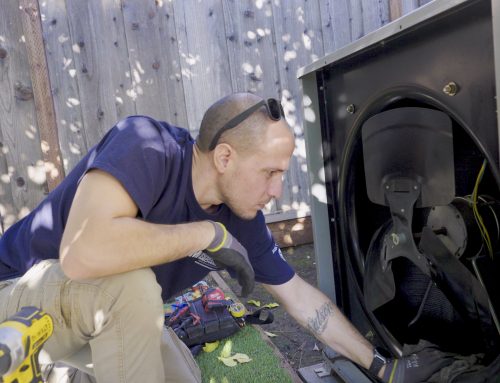
Why your upstairs is hotter in a Bay Area home often comes down to a mix of physics, design, and local climate, and there are clear steps you can take to fix it.
Why your upstairs is always hotter
In a two‑story home, warm air naturally rises and tends to get trapped on the second floor, especially in bedrooms and hallways. Attic heat builds up during sunny afternoons and radiates down into your upstairs ceiling and walls, adding extra heat your system has to fight against. Many systems were originally designed around downstairs comfort, so a single thermostat on the first floor “thinks” your home is cool enough and shuts off while the upstairs is still warm. If your ductwork is undersized, leaky, or just not balanced, your upstairs may simply not be getting enough conditioned air to keep up on hot days. Older and pop‑top additions can make this worse with patchwork ducts, limited returns, and insulation gaps between floors.
Quick checks you can do today
Before you commit to a big project, there are a few easy things you can try in your home to reduce the upstairs temperature gap. Make sure upstairs supply vents are fully open and that furniture, rugs, or curtains are not blocking them, while downstairs vents can be slightly throttled (never more than modestly) to help push more air upstairs. Switch your fan setting from “Auto” to “On” during heat waves so the blower keeps air circulating between floors even when the system isn’t actively cooling. Close blinds or curtains on sun‑exposed upstairs windows during the day to cut down on solar gain that overheats rooms by late afternoon. Finally, replace dirty filters on schedule, since restricted airflow can make it much harder to cool the second floor of your home.
Longer‑term fixes that actually work
If the upstairs in your home is consistently several degrees hotter, it usually means the system design needs attention rather than just a quick tweak. A common first step is to evaluate and often improve the ductwork by sealing leaks, resizing key runs, and adding or enlarging return vents upstairs so the system can move air more evenly between floors. Improving attic insulation and air sealing helps keep attic heat from turning your upstairs into an oven, which reduces temperature swing and eases the load on your equipment. For many two‑story homes, adding HVAC zoning—separate controls and dampers for upstairs and downstairs—finally lets each floor be controlled independently instead of fighting over one thermostat setting. In stubborn hot‑spot rooms, such as a primary bedroom over a garage, a ductless mini‑split can provide dedicated, efficient cooling and heating without reworking the entire system in your home.
How smart controls help your home
Once the physical issues are addressed, smart controls can help you keep your upstairs more comfortable without constantly fiddling with the thermostat in your home. A smart thermostat or multi‑zone control system can learn when bedrooms tend to overheat and automatically adjust run times or fan operation to smooth out temperatures between floors. Remote sensors placed in key upstairs rooms give the system better information than a single thermostat downstairs, so it responds to where people actually are instead of just the first floor. Scheduling cooler set points for upstairs zones in the evening and overnight can keep sleeping spaces comfortable while allowing the rest of your home to drift a bit warmer and save energy. When you combine smarter control with better ducts, insulation, and zoning, the result is an upstairs that feels like part of the same house—not a different climate.
When to bring in a professional
If your upstairs is still uncomfortable after trying basic adjustments, it is usually worth having an HVAC professional evaluate the system in your home rather than continuing to live with hot bedrooms. A proper assessment will look at duct layout, airflow, equipment capacity, thermostat placement, attic conditions, and the unique layout of your Bay Area home to pinpoint why the upstairs runs hotter. From there, you can prioritize a plan—whether that is targeted duct fixes, improved insulation, zoning, or a ductless unit—that fits your budget and comfort goals. The right solution not only cools your upstairs more effectively but can also improve overall efficiency, which helps offset the investment over time in an energy‑conscious Bay Area home.
Ready to stop dealing with hot upstairs rooms? Contact Innovative Mechanical today to schedule an in‑home evaluation and get a customized comfort plan for your home.