Your HVAC system is one of the most important investments in your home, providing year-round comfort through every season. Like any major appliance, however, it won’t last forever. Knowing the average lifespan of your heating and cooling system can help you plan ahead, avoid costly breakdowns, and make informed decisions about repairs and replacement.
So, how long should an HVAC system last? The answer depends on the type of system you have, how well it’s maintained, and how often it’s used.
Average HVAC System Lifespan
Different HVAC components have different life expectancies. With proper maintenance and professional care, most systems can provide reliable performance for many years.
Air Conditioners
A central air conditioning system typically lasts 12 to 17 years. Annual maintenance, regular filter changes, and prompt repairs can help extend its lifespan while keeping it operating efficiently.
Furnaces
Gas furnaces generally last between 15 and 20 years, while electric furnaces can often operate efficiently for 20 to 30 years with routine maintenance.
Heat Pumps
Heat pumps typically have a lifespan of 10 to 15 years. Because they provide both heating and cooling, they often experience more wear than systems that only operate during one season.
What Factors Affect HVAC Lifespan?
While average lifespans provide a good guideline, several factors influence how long your HVAC system will actually last.
Regular Maintenance
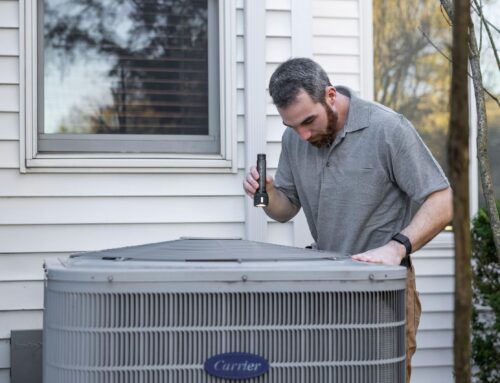
Routine maintenance is one of the most important investments you can make in your HVAC system. Annual inspections allow technicians to clean components, identify worn parts, check refrigerant levels, and ensure everything is operating safely and efficiently.
Skipping maintenance can lead to premature wear, reduced efficiency, and expensive repairs.
Installation Quality
Even a high-quality HVAC system can experience problems if it isn’t installed correctly. Proper sizing, airflow, ductwork, and professional installation all contribute to the long-term performance of your equipment.
Frequency of Use
Systems that run throughout the year naturally experience more wear and tear than those used seasonally. Homes in areas with extended cooling or heating seasons may notice their systems aging more quickly.
Air Filter Changes
A clogged air filter restricts airflow and forces your HVAC system to work harder than necessary. Replacing your filter every one to three months helps reduce strain on the equipment while improving indoor air quality and energy efficiency.
Indoor and Outdoor Conditions
Dust, pet hair, poor insulation, blocked vents, and debris around your outdoor unit can all affect your HVAC system’s efficiency and lifespan. Keeping your equipment clean and your home properly sealed helps your system operate more effectively.
Signs It May Be Time to Replace Your HVAC System
Even if your HVAC system is still running, certain warning signs may indicate it’s nearing the end of its lifespan.
Watch for these common indicators:
- Frequent or expensive repairs
- Increasing energy bills
- Uneven temperatures throughout your home
- Weak airflow from vents
- Strange noises or unusual odors
- Difficulty maintaining your desired temperature
- Your system is more than 15 years old
If several of these issues sound familiar, it may be more cost-effective to replace your system rather than continue making repairs.
Repair or Replace? How to Decide
Many homeowners struggle with deciding whether to repair an aging HVAC system or invest in a replacement.
One commonly used guideline is the $5,000 Rule. Multiply the estimated repair cost by the age of your system.
For example:
- A 15-year-old system with a $400 repair equals 6,000 (15 × 400), making replacement worth considering.
- An 8-year-old system with a $250 repair equals 2,000 (8 × 250), making repair the more economical option.
While this rule can provide a helpful starting point, a professional HVAC inspection is the best way to determine the most cost-effective solution for your home.
How to Extend the Life of Your HVAC System
Although every HVAC system will eventually need replacement, proper care can help maximize its lifespan and improve its performance.
Here are a few simple ways to keep your system running efficiently:
- Schedule professional HVAC maintenance every year.
- Replace your air filter every one to three months.
- Keep your outdoor unit free of leaves, dirt, and debris.
- Seal air leaks around windows and doors.
- Install a programmable or smart thermostat.
- Address small repairs before they become major problems.
Preventative maintenance not only extends the life of your HVAC system but also helps lower energy costs and reduces the likelihood of unexpected breakdowns.
Why Professional Maintenance Matters
Many HVAC issues begin as small problems that are difficult for homeowners to notice. During a professional maintenance visit, technicians inspect critical components, test system performance, clean essential parts, and identify potential concerns before they lead to expensive repairs.
Regular service helps improve efficiency, increase reliability, and protect your investment for years to come.
Schedule Your HVAC Inspection with Innovative Mechanical
If your HVAC system is getting older or isn’t performing the way it should, the experienced team at Innovative Mechanical is here to help. Whether you need routine maintenance, expert repairs, or guidance on replacing an aging system, we’ll provide honest recommendations and dependable service you can trust.
Our skilled technicians proudly help Bay Area homeowners improve comfort, increase energy efficiency, and maximize the lifespan of their heating and cooling systems.
Don’t wait until your HVAC system breaks down. Contact Innovative Mechanical today to schedule a professional HVAC inspection and discover the best solution for your home.